
Collaboration within NRP 83 and beyond
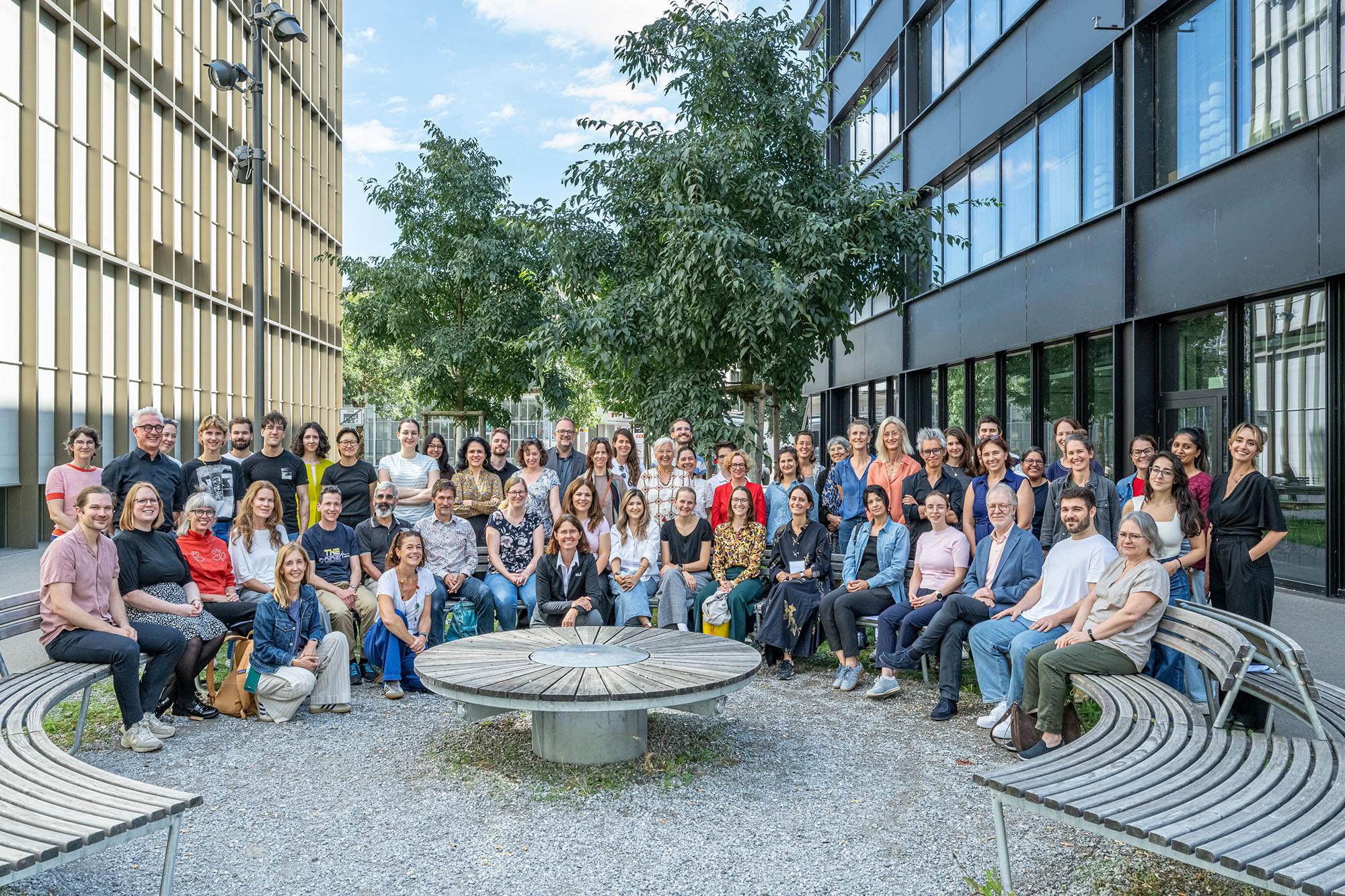
The second Annual Meeting of NRP 83 Gender Medicine and Health focused on collaboration within the programme and beyond, and examined Switzerland’s political system.
Following the Community of Practice (CoP) meeting in the morning, the afternoon of the 2026 Annual Meeting was devoted to internal collaboration.
Understanding research into gender medicine and health
The 19 funded projects used posters to present their initial research findings, the greatest challenges they had faced and their successes during the research process, as well as opportunities for collaboration within the programme.
From research to policy – the launch of the pairing scheme
How can science influence political decisions? This question was the focus of the project teams’ activities in the second part of the Annual Meeting, building on the morning’s keynote address delivered by National Council member Laurence Fehlmann Rielle, who discussed the postulate “Women’s health. Greater consideration of their specific needs".
In the afternoon, Sibylle Sutter, Head of Knowledge Exchange, gave a presentation introducing the Swiss political system and highlighted ways of promoting evidence-based policy-making. The grant recipients then discussed how they could communicate scientific findings to decision-makers at various levels of politics and administration.
The day concluded with NRP 83 launching the Pairing Scheme, a format that originated in the UK and was first introduced to Switzerland by NRP 80 "Covid-19 in Society". The concept aims to bring researchers together with politicians and representatives of the administration at national and cantonal level in one-on-one discussions.
The aim is for both sides to gain a better understanding of each other’s spheres of activity. Researchers gain an insight into political and administrative practice, and politicians and civil servants gain direct access to the latest research findings. This personal exchange is intended to foster mutual understanding and trust between academia and the political sphere.
NRP 83 thus builds on a tried-and-tested format which, since its Swiss debut in NRP 80, has established itself as a valuable bridge between research and policy.